About
More technology. Harder to run. That's the gap we work in.
Disconnected operations can grow from sensible decisions made one at a time. We help teams see where the handoffs broke and what to fix first.
How it happens
Nobody decides to run a disconnected business.
It arrives gradually, and every individual step along the way was the right call at the time.
- Year one
One person knows everything. A spreadsheet and an inbox are a completely adequate system.
- Year three
A CRM gets added for sales. Accounting stays where it is. Neither knows about the other.
- Year five
A website is built by an agency. Scheduling is a separate tool. Someone maintains the stock spreadsheet.
- Year seven
Six systems, none of which agree, and a person in the middle of each gap keeping them in step.
At that point the business has more technology than it has ever had and is harder to run than it was at half the size. Website, CRM, accounting, operations, and reporting all exist — and none of them agree.
That gap is the reason AdōDesign Digital exists. Not to sell another tool into it, but to work out what should stay, what should connect, what should be automated, what should be replaced, and what should simply stop.
How we work
Six things we hold to, including when it costs us the sale.
Systems before software.
We look at how work actually moves through the business before recommending a tool. The tool is a consequence of the process, not a substitute for understanding it.
Simplicity over complexity.
A good solution makes work easier. If it adds another system for someone to check, it has to earn that on its own.
Connected by design.
Anything we add has to strengthen the whole. A new tool that does not fit the rest of the operation is another disconnected tool.
Built around real people.
The team using the system every day decides whether it works. If it is faster to go around it, they will, and the data stops being true.
Business value over technology hype.
Automation and AI are useful where they remove real work. We use them there, and we say so plainly when they would not help.
Long-term thinking.
Systems should be able to evolve. Building something that has to be replaced in two years is an expensive way to solve a problem twice.
Who you're working with
You work with the person who designs the system.
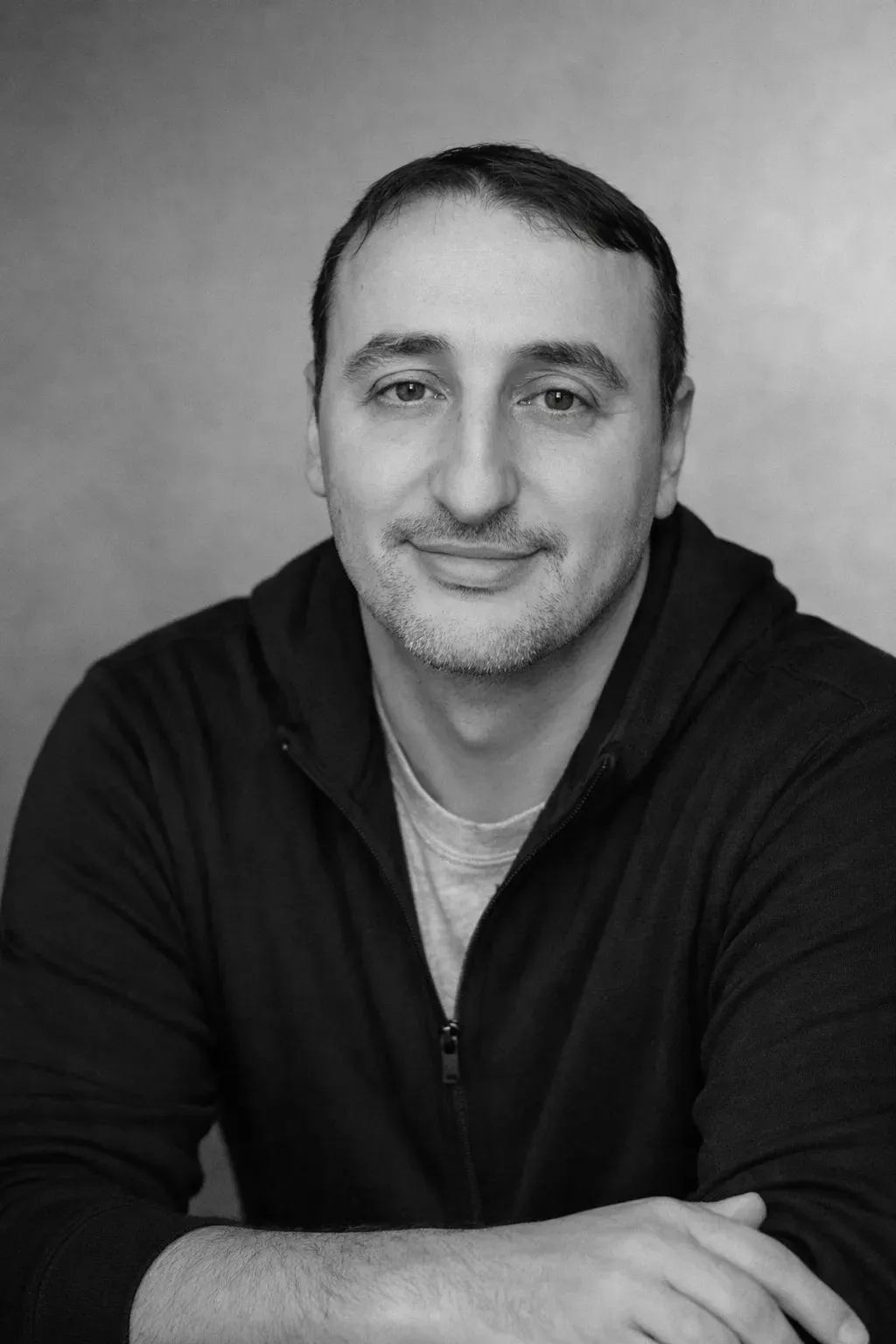
AdōDesign Digital is led by Adnan Hodzic, principal systems architect, with more than ten years building CRM platforms and integrations. Engagements are run by the engineer who designs and builds the system — not an account manager relaying requirements to someone you never speak to.
That has a practical consequence worth knowing before you call: we take on fewer engagements than an agency of the same billing would. It also means the person who answers your question in month eight is the person who made the decision in month one.
Something you can go and check
We don't just connect systems. We build them.
AdōDesign Nexus is our own field service management platform — CRM, scheduling, invoicing, payments, and reporting in one workspace. Explore its public product pages to see what we have built.
See the platform we builtClearing the ground
What we are not.
Worth knowing before a first call, so neither of us spends it working out that this is the wrong conversation.
We are not a marketing agency
We build the systems behind the campaigns. If what you need is demand generation, that is a different firm.
We are not a reseller
You buy your own licences, at your own pricing, and own them. We take no vendor commission.
We are not a body shop
You work with the person designing the system, not an account manager relaying requirements.
We are not for everyone
If the whole project is customizing a template, or the only criterion is lowest bid, we are the wrong call.
Who we build for
Businesses with real operational complexity.
Teams that have outgrown templates, scattered tools, and manual process — and need systems that reflect how the business actually works.
- Manufacturing
- Professional services
- Healthcare practices
- Trades & field service
- Industrial & recycling
- Multi-location operators
- B2B distribution
- Growing operational teams
The wider ecosystem
One business. More than one type of problem.
AdōDesign Digital handles the operational side. When a project needs something else, it stays inside the same team.
- AdōDesign StudioWhen the work needs 3D product visuals, renderings, animation, or video production.
- AdōDesign AppsWhen an off-the-shelf tool will not fit and the business needs its own portal, dashboard, or internal application.
- AdōDesignThe parent brand, and the shortest route to the right part of the ecosystem for anything outside Digital.
The next step
Let's talk about what needs to work better.
Thirty minutes on what's disconnected, what it's costing, and where the right starting point is. You'll get a straight answer, including when that answer is that you don't need us yet.
- 01
A conversation
Thirty minutes on what is slowing the business down. No pitch, no deck.
- 02
An honest read
Where we would start, what can wait, and whether we are the right fit at all.
- 03
A written scope
Only if it makes sense — deliverables, timeline, and a fixed price, in writing.